A drug-related overdose happens when someone takes too much of a drug – or a mix of drugs – and it overwhelms the body. This can be very dangerous or even deadly. Overdoses can happen with many types of drugs, including prescription drugs, illicit drugs,* or alcohol.
An opioid overdose usually involves trouble breathing or not breathing at all. The person may be unconscious or not responding.
|
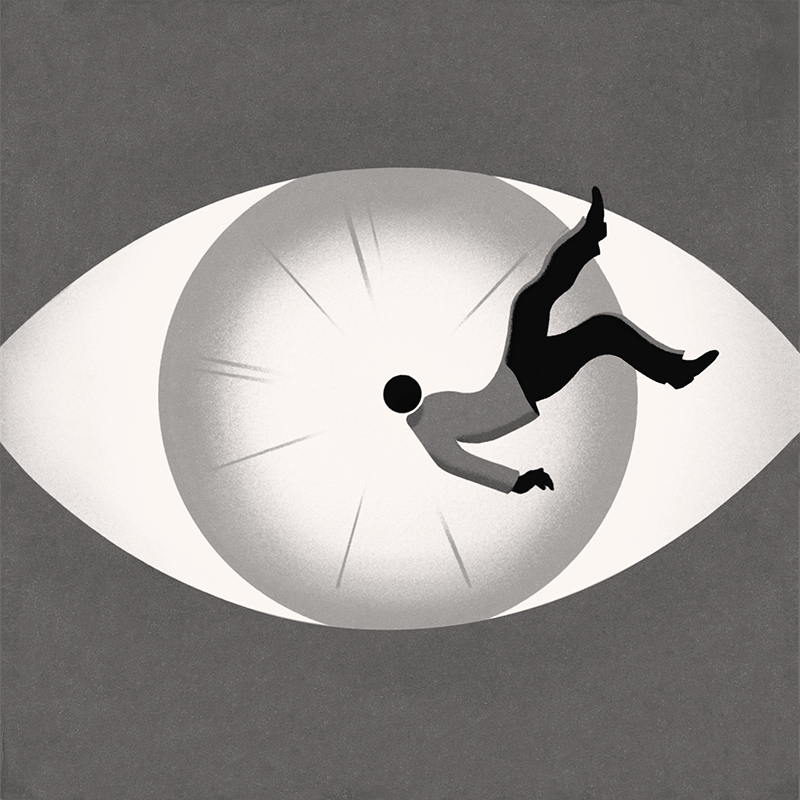 Small, constricted "pinpoint pupils" Small, constricted "pinpoint pupils"
|
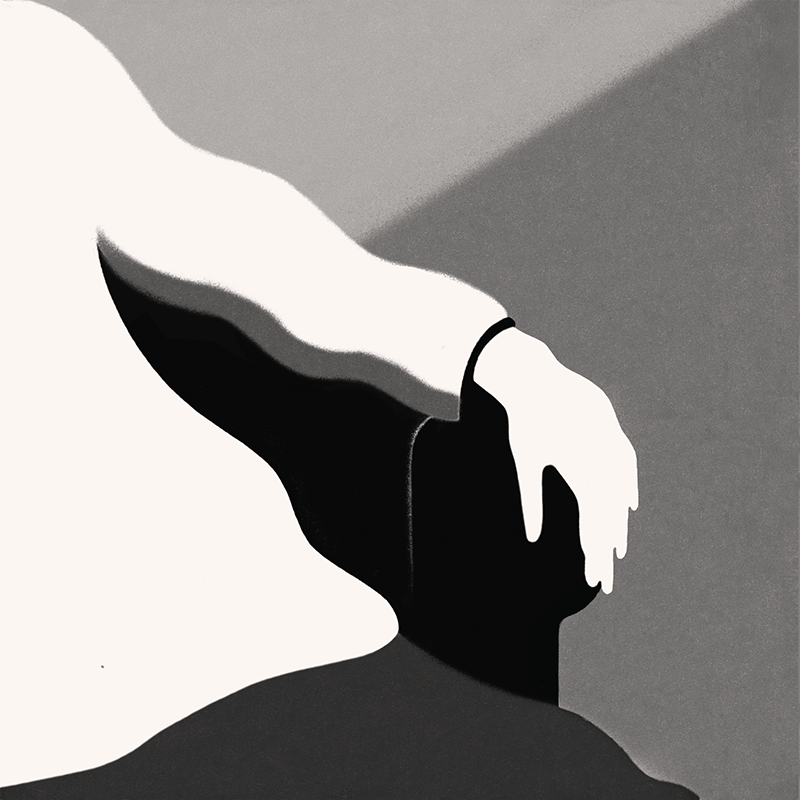 Limp body Limp body
|
|
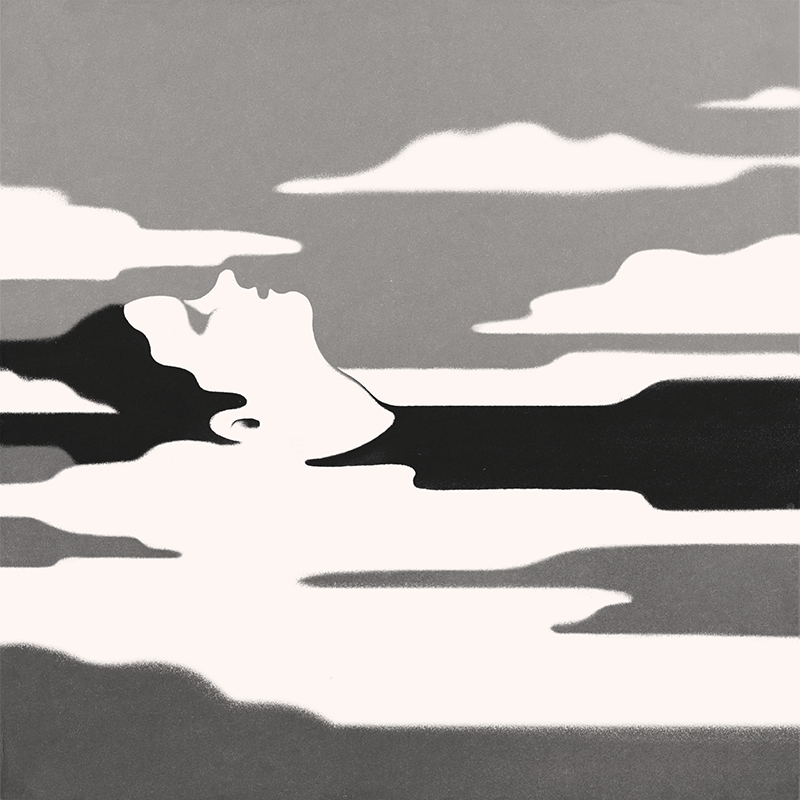 Falling asleep or losing consciousness Falling asleep or losing consciousness
|
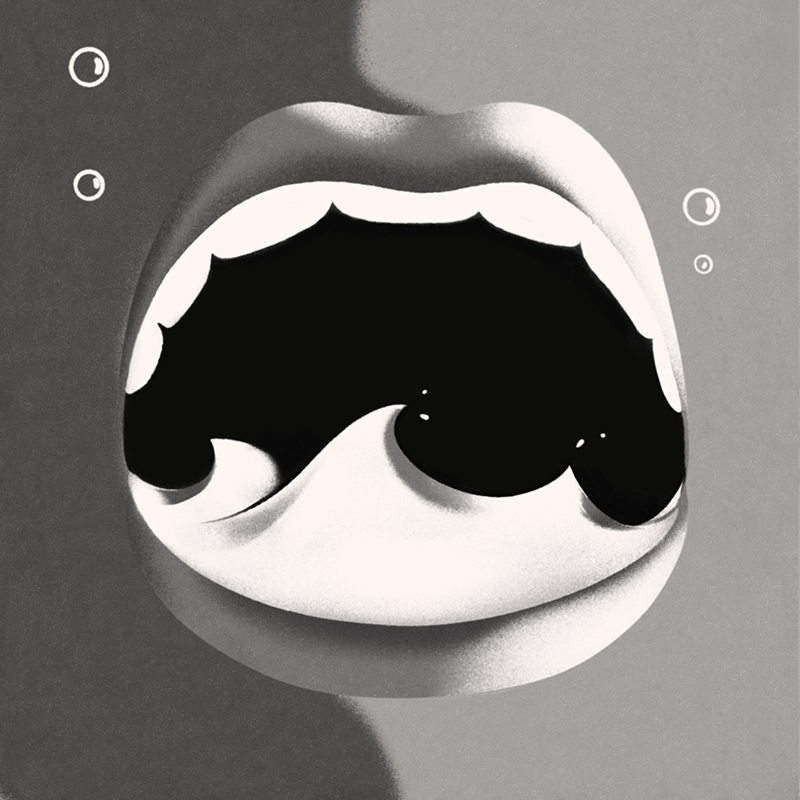 Choking/gurgling sounds Choking/gurgling sounds
|
|
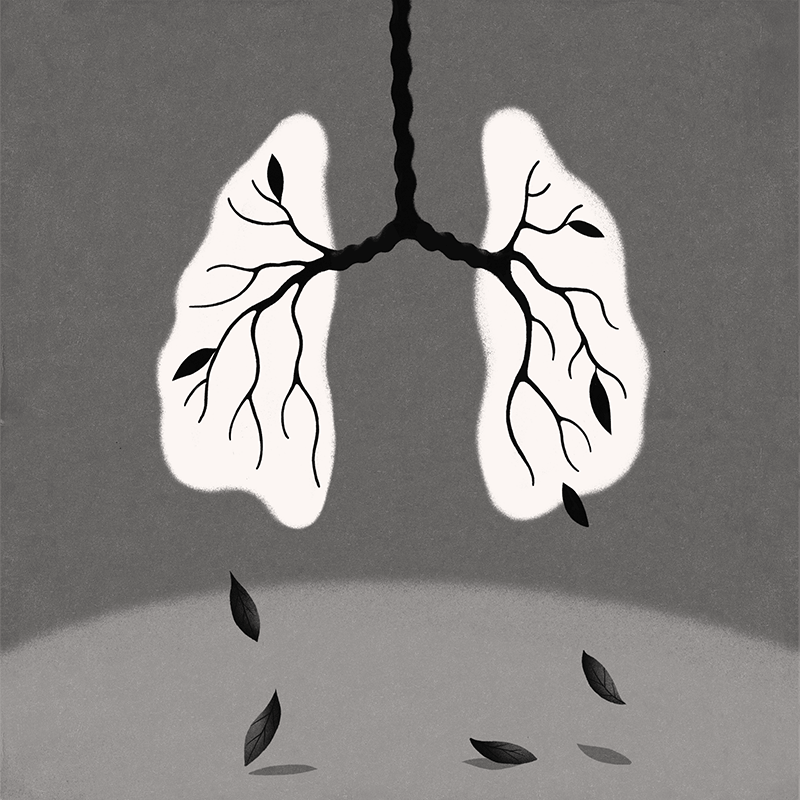 Slow, weak, or no breathing Slow, weak, or no breathing
|
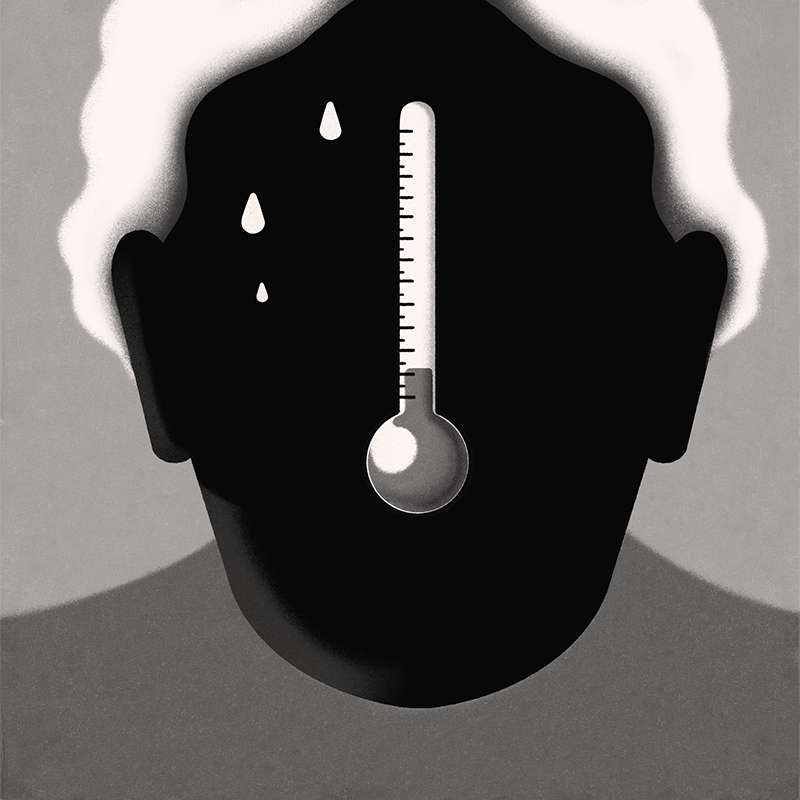 Cold and/or clammy skin Cold and/or clammy skin
|
|
 Discolored skin (such as blue/gray lips/nails) Discolored skin (such as blue/gray lips/nails)
|
|
Fentanyl is a major contributor to fatal overdoses in California and the United States. Fentanyl is a very strong synthetic opioid that is sold alone or added to other drugs, often without people knowing. Many people may not realize their drugs contain fentanyl because it is undetectable by sight, smell, or taste. Even a small amount of fentanyl can be deadly. It has been found in many drugs, including heroin, methamphetamine, counterfeit pills, and cocaine.
The presence of fentanyl in any other drug increases the risk of a fatal overdose. Fentanyl test strips (FTS) can be used to check if fentanyl is present in drugs. Learn more about FTS:
Stop Opioid Overdose with Naloxone
Naloxone is a life-saving medication used to reverse an opioid overdose including overdose involving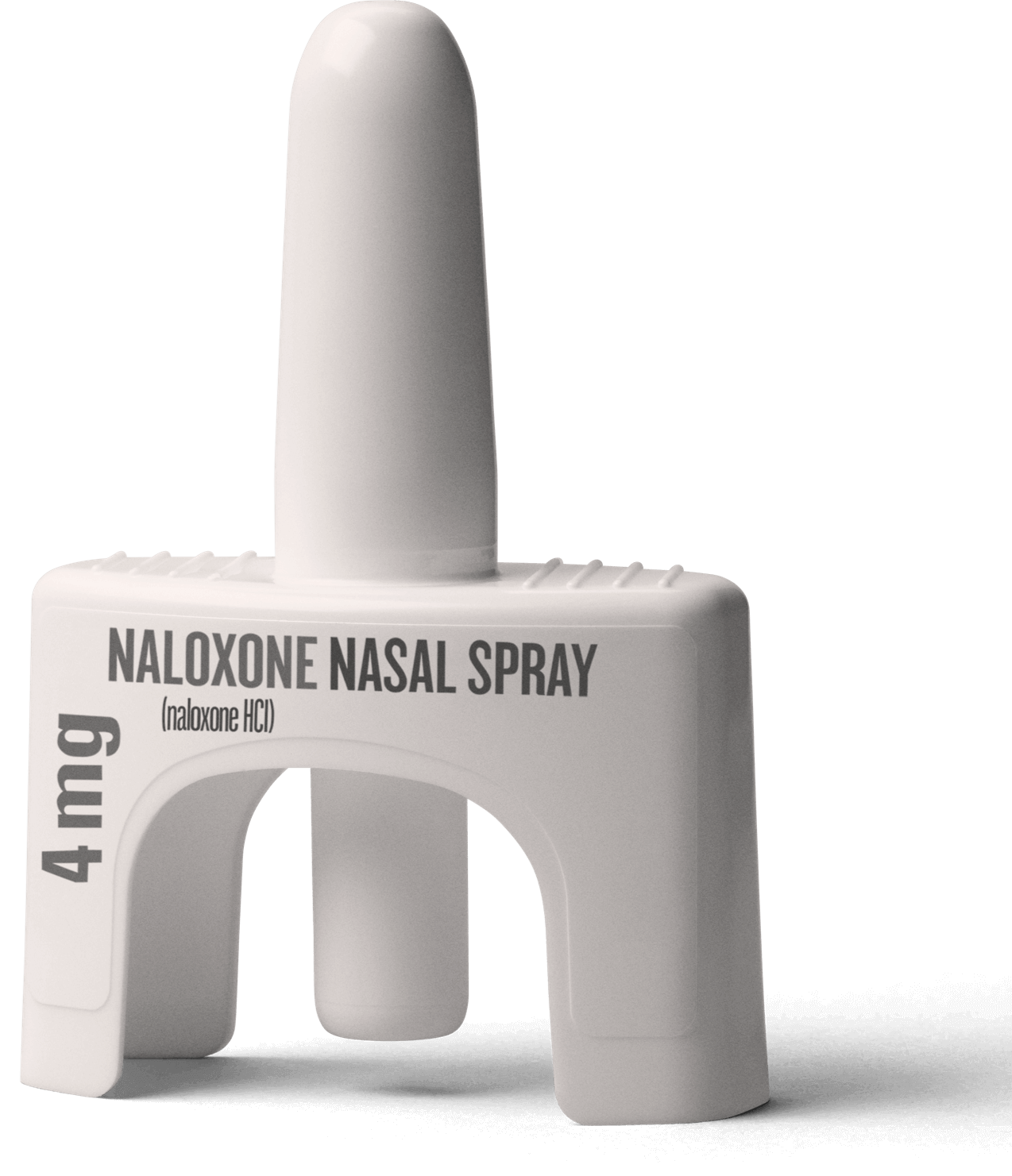 heroin, fentanyl, and prescription opioid medications. Naloxone is safe and easy to use, works almost immediately, and is not addictive. Naloxone has very few negative effects, and has no effect if opioids are not in a person's system.
Naloxone doesn't work to reduce the effects of a stimulant or non-opioid sedatives like xylazine.
However, even if you're not sure what drug someone took, always give naloxone - they may have unknowingly taken an opioid, like fentanyl.
Stimulant Overdose
A stimulant-related overdose - sometimes called overamping - can happen when someone takes too much of a drug that speeds up the body, such as increasing the heart rate. These overdoses often cause dangerous overheating and may happen while the person is still awake and alert.
Signs and symptoms include:
- Enlarged (dilated) pupils
|
|
|
|
|
|
|
|
|
|
|
|
|
|
|
|
|
|
|
|
|
|
|
Learn about other serious health consequences of chronic prescription stimulant misuse and illicit stimulant use.
Prescription Drugs
Prescription opioids used for pain relief are generally safe when taken for a short time, prescribed by a qualified medical professional, filled by a licensed pharmacy, taken by the person they are prescribed to, and used as directed.
Prescription opioids (like those taken for pain relief) can be highly addictive and misused. Misusing prescription opioids can slow breathing - which can lead to lack of oxygen to all or part of the body. This can result in coma, brain damage, or death.
Misusing prescription stimulants (such as those used for Attention Deficit/Hyperactivity Disorder) can lead to psychosis; paranoia; heart, nerve, or stomach problems; or overdose.
Prescription medications should only be taken together under a doctor's guidance and should not be taken with alcohol.
Mixing Drugs
Whether it's done on purpose or by accident, mixing drugs significantly increases the risk of harm. Drugs taken together, or within a short period of time, can interact in the body in ways that make their effects more dangerous. This is especially true if drugs are taken with alcohol - which raises the risk of overdose. Learn the risks of mixing alcohol with other drugs and signs of
alcohol overdose (also known as poisoning).
Signs of an overdose that involves two or more substances depend on the types of drugs taken:
-
Signs of mixing stimulants (like cocaine or meth)
- Fast or troubled breathing
- High body temperature
- Nausea or vomiting
- Chest pain
- Seizures or shaking
-
Signs of mixing depressants (like opioids, benzodiazepines, or alcohol)
- Slow or shallow breathing
- Weak pulse
- Trouble thinking clearly or confusion
- Passing out
How to Respond to a Drug Overdose
It may be hard to tell if someone is experiencing an overdose. If you are not sure, treat it like an overdose - you could save a life. With a fentanyl overdose, start by administering one dose of naloxone and wait 2-3 minutes to see if normal breathing returns before giving a second dose. Two or more doses of naloxone may need to be given, but more than one dose may not be necessary. To determine if naloxone is effective, check for signs of breathing. Wakefulness or consciousness may not always occur while the overdose is being reversed.
What to do:
- Give naloxone and call 911.
- If needed, provide a second dose of naloxone (using a new naloxone container) after 2-3 minutes.
- Keep the person breathing and awake, if possible.
- If the person is not breathing and you are trained, perform rescue breathing or CPR.
- Lay the person on their side to prevent choking.
- Stay with the person until 911 responders arrive.
With a stimulant overdose, follow these additional steps:
- Keep the person hydrated. Give them water, a sports drink, or non-caffeinated drink.
- Help them cool down. Place a cool, wet cloth under their armpits, behind their knees, and/or on their forehead.
- If the person is having a seizure, move anything nearby that could hurt them.
- Do not restrain the person.
- Do not put anything in their mouth.
- Begin CPR if you are trained and if the person passes out or stops breathing.