What are the symptoms of STRF?
People who have STRF develop a sudden high fever (104–105°F), chills, headache, and muscle aches up to 3 weeks after being bitten by an infected tick. They may also have nausea, vomiting, abdominal pain, and a rash. These symptoms last 3–5 days and then quickly disappear.
A few days later, the fever and other symptoms come back (relapse). This cycle may continue for several weeks if not treated.
If you develop these symptoms, you should see a doctor or healthcare provider right away and tell them if you've recently stayed in a cabin at high elevation or were camping in similar areas.
STRF can be serious for a person who is pregnant. STRF during pregnancy can cause pregnancy loss or premature birth.
How is STRF diagnosed and treated?
STRF is often diagnosed during the time when a person has a high fever. During this time, a healthcare provider can take a blood sample and look at the blood under a microscope to see if STRF bacteria are there. STRF can also be diagnosed by other blood tests that are performed in laboratories.
STRF can be treated with antibiotics prescribed by a healthcare provider. Most people with STRF start to feel better within 1–3 days after starting antibiotics. In some cases, a person's symptoms may get worse in the first 24 hours after starting antibiotics. A healthcare provider may suggest pain relievers until the symptoms improve. Although STRF can be severe for some, people rarely develop long-term health problems or die from STRF.
Where are soft ticks found in California?
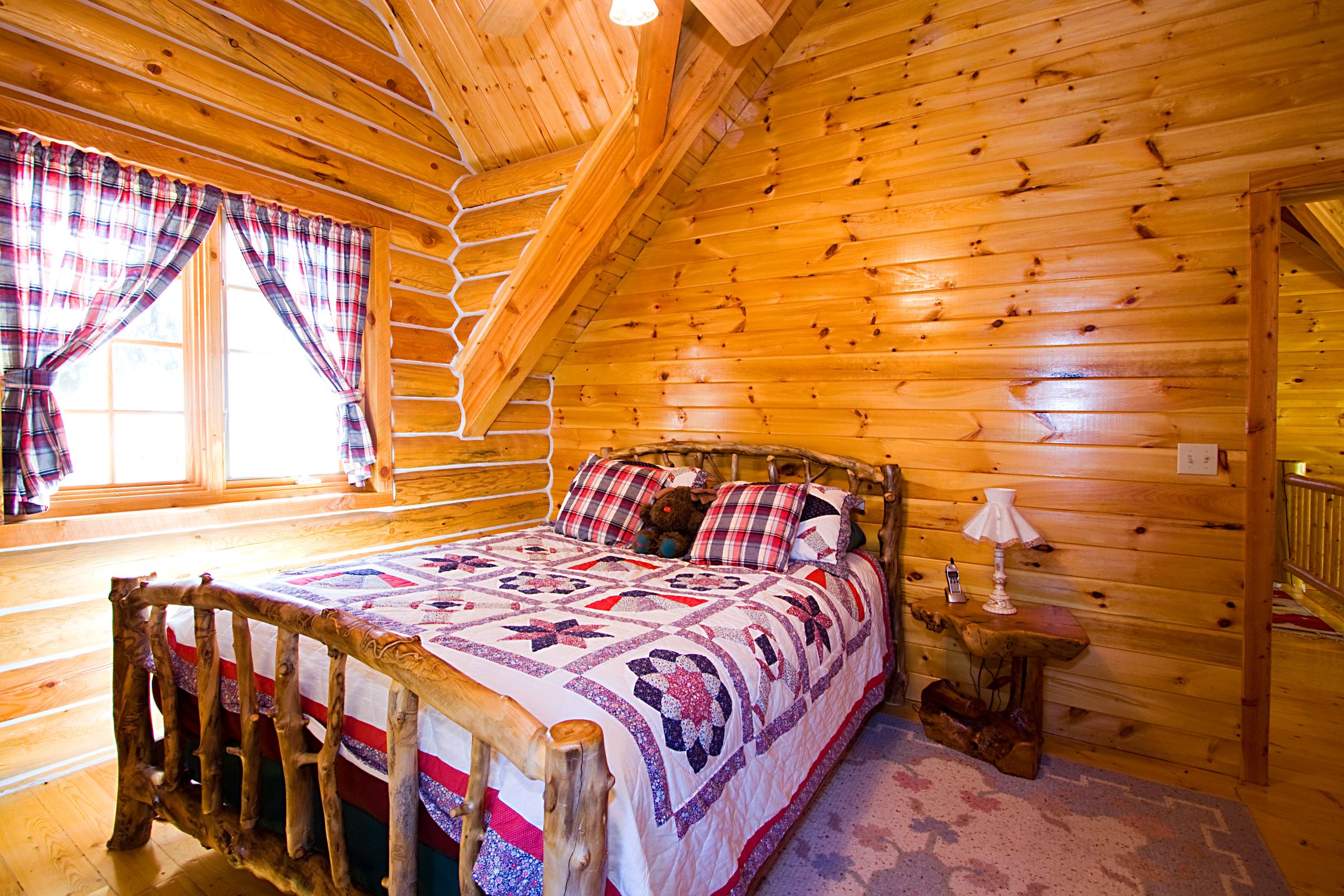
Soft ticks are mainly found in forested foothill and mountain elevations above 3,000 feet, such as in the Sierra Nevada Mountains or Tahoe Basin region. Soft ticks live in dark, cool places such as rodent nests, shaded wood piles outside buildings, and between walls, under carpets, or beneath floorboards inside buildings.
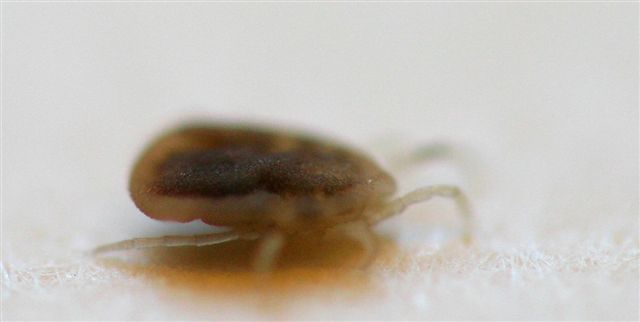
Soft ticks are different from other ticks that spread diseases like Lyme disease (called hard ticks). Unlike hard ticks, soft ticks are rarely found outdoors in natural vegetation because they live in rodent nests.
How do I protect myself from STRF?
The best way to protect yourself from STRF is to keep soft ticks out of and away from your home or place where you are staying. Since soft ticks usually feed on rodents and live in their nests, it's important to keep rodents out of and away from your home or living space as well.
If you own or manage a cabin, lodge, hotel or other living space at high elevation in California:
-
Inspect the inside and outside of the building for evidence of rodents.
-
Seal cracks and openings (the width of a pencil or larger) where rodents can get in, including gaps around pipes and under doorways.
Remove items that rodents could use for nesting materials or a place to make a nest:
If you have questions about rodent control or how to safely clean up after rodents, contact your local vector control agency or a licensed pest control operator.
If you are staying in a mountain cabin, condo, or any other kind of lodging at high elevation in California:
-
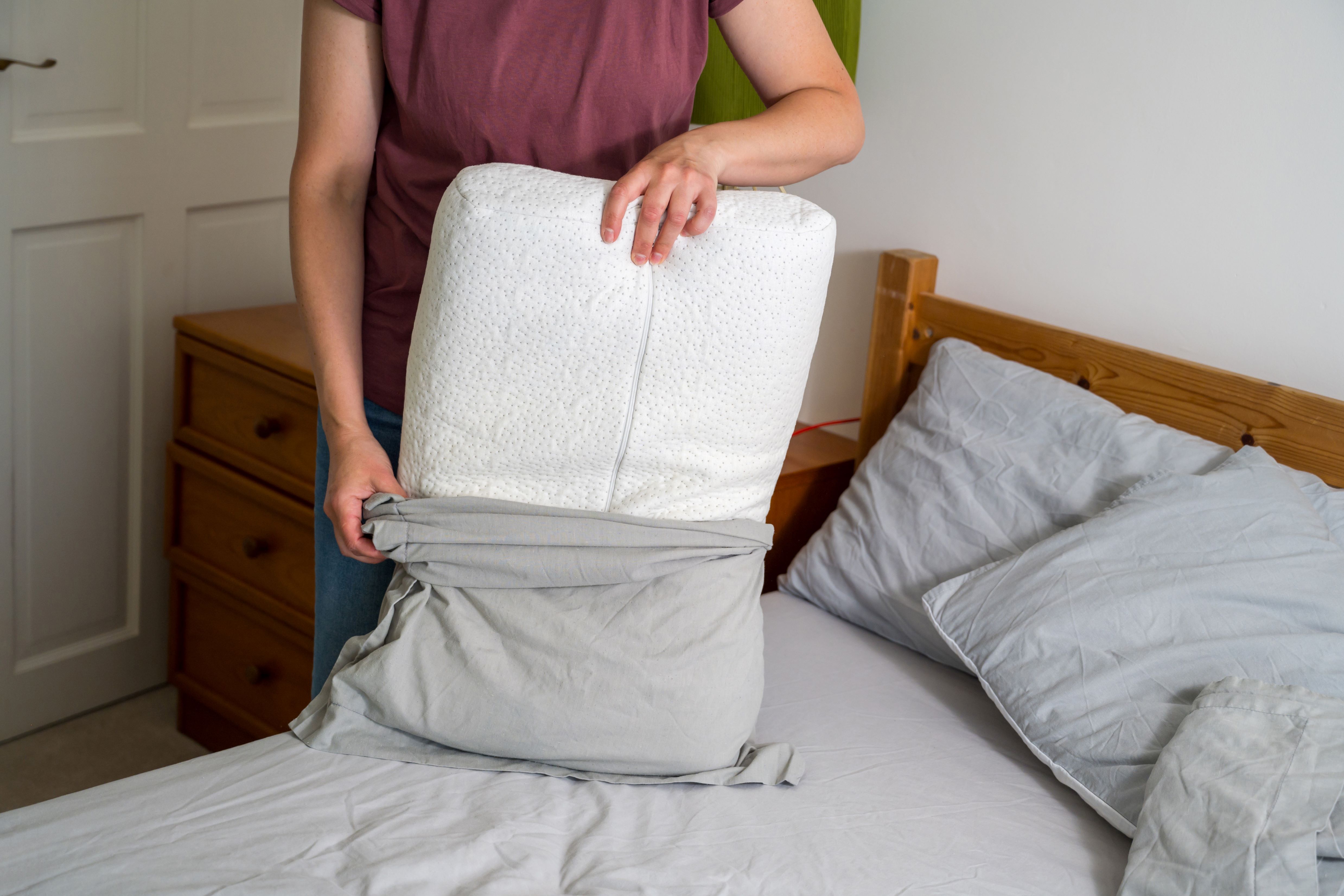
If staying in a cabin that hasn't been used for a while,
change and wash all bedding before use.
-
Store all food in well-sealed containers.
-
If you notice signs of rodent activity (droppings, rodent nests, etc.), tell the landlord or building manager.