Skip Navigation LinksFalls-Prevention

INJURY AND VIOLENCE PREVENTION (ivp) BRANCH

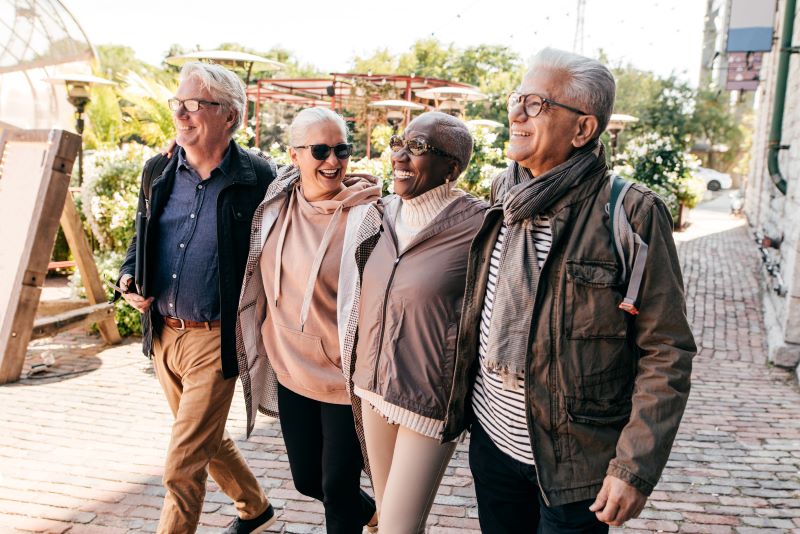
​​four older adults walking

​​​Falls Prevention​

Key Takeaways

  • Falls are preventable and don't need to be a part of getting older.
  • Everyone can take steps to prevent falls:
    • Assess your falls risk using the Falls Free CheckUp tool.
    • Talk with a health care provider about how to reduce your risk for falls.
    • Prevent falls at home with these home safety tips.

​Falls, with or without injury, impact quality of life. A growing number of older adults fear falling, and as a result, limit their activities and social engagements. This can result in physical decline, depression, and social isolation. Here are some tools and resources to help prevent falls and stay independent.​

​​Older Adult Falls Data​

​California Morbidity and Mortality

  • Falls are the leading cause of fatal and non-fatal injuries among older adults age 65+.
  • Among Californias aged 65+ in 2023, falls caused 2,521 deaths, 114,427 hospitalizations, and 317,582 emergency department visits.
  • For additional data, visit CDPH's EpiCenter.

National Cost of Falls

  • The cost of treating injuries caused by falls among older adults is projected to increase to over $101 billion by 2030.
  • Based on data from 2020, the total health care cost of non-fatal older adult falls is $80 billion per year, up from $50 billion in 2015. Sixty-seven percent of fall-related costs are paid for by Medicare, 4% by Medicaid, and 29% is paid privately/out-of-pocket by older adults and families.

​Know You​​​​r Falls Risk Factors​ 

Get to know these common risk factors for falls: Falling once doubles the risk of falling again.

  • People with vision loss have almost twice the risk of falls as adults without vision impairment.
  • People with hearing loss are nearly three times as likely to fall compared to those with normal hearing, but wearing a hearing aid reduces the risk of falling by 50%.
  • Lower body weakness and difficulties with walking and balance increase someone's risk for falls.
  • Certain medications can have side effects and interactions, such as dizziness and fatigue, that increase the risk of falls.
  • Chronic conditions such as diabetes and arthritis can increase the risk of falls due to neuropathy, pain, and other symptoms that can affect walking and balance.
  • Hazards in the home, including clutter, poor lighting, and lack of supports such as grab bars, can cause falls. Home modifications can address these hazards to reduce falls risk in the home.

​Take the Falls Free CheckUp to check your falls risk, and talk with a health care provider about how to reduce your risk for falls.           

6 Steps to Help Prevent Falls in Older Adults​​
6 steps to prevent a fall

​​Prevent Falls with Home Safety Modifications 

Practice these tips to avoid falls at home:

  • ​Clear the way. Remove tripping hazards and move furniture to create a path.
  • Light it up. Use bright, non-glare bulbs to help you see.
  • Have a seat. Sit while getting dressed or putting on shoes.
  • Secure support. Use a shower seat, grab bar, and an adjustable-height handheld showerhead to make bathing easier.
  • Store for success. Keep frequently used items between waist and shoulder height.

Resources​

​National Council on Aging (NCOA)

Centers for Disease Control and Prevention (CDC) Toolkits 

  • LIFE Fall Prevention Planning Tool (LIFE Tool) helps older adults create a customized fall prevention plan to reduce their risk of falls.
  • MyMobility Plan assists older adults with planning for future mobility changes that might increase their risk for motor vehicle crashes and falls.
  • Stopping Elderly Accidents, Deaths & Injuries (STEADI) Initiative is a screening tool that healthcare providers can use to help older adults at risk of falling.
  • Still Going Strong Older Adult Injury Prevention Campaign raises awareness about preventable injuries among older adults.
Page Last Updated :